
French
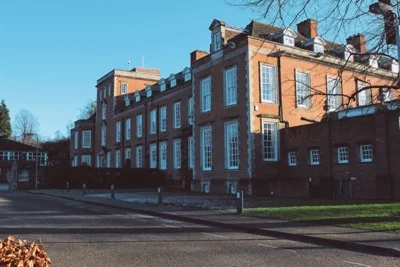
Whitchurch High School

Course summary
The GCSE course and final examination concentrate on practical skills; listening, reading, speaking and writing in French. The course materials in both languages are new, modern, attractive and based on practical skills, with authentic French voices on the accompanying listening material and with reading matter taken from everyday sources such as magazines, newspapers, podcasts, TV programmes, brochures and tourist information. Pupils are given an insight into the way of life, geography and customs of France and French speaking countries. They are encouraged to start correspondence with penfriends in France. There are also opportunities to visit France and the chance to have conversation practice with the French Language Assistant. Here are some of the skills you will acquire. communication, including reading, writing and speaking foreign languages gathering, assessing and interpreting information leading and participating in discussions and groups conveying meaning precisely presentation responding to others – from discussions in oral classes attention to detail boost in personal confidence and independence listening to other people resilience problem solving Textbooks Pupils are encouraged to purchase the textbook, workbook and revision guides which accompany the course studied. A bilingual dictionary is also recommended for use at home. Assessment The GCSE examination, which follows the WJEC syllabus, consists of 4 components: Listening, Speaking, Reading and Writing. Each skill is worth 25% of the overall grade awarded. All the skills will be assessed on two tiers - Foundation Tier will assess grades C-G. Higher Tier will assess grades A*-D. Candidates may be entered for either Higher or Foundation Tier in each component depending on their personal strengths. All skills are assessed in formal examinations during the summer exam period at the end of Year 11. There are no coursework components to this course. CAREERS In the ever-expanding multicultural world that we live in, knowledge of a language is increasingly regarded as an important and valuable extra to many employers. The ability to converse via phone, e-mail, or face to face in a foreign language will make you more employable, could increase your pay packet and give you a huge sense of satisfaction. Our results are consistently high, above local and national averages, so you will do well. Many universities are now looking for a GCSE in a Modern Language, as a qualification in an MFL shows a high level of grammatical accuracy, an ability to think creatively and in a malleable fashion. Don’t miss the boat –make languages your future! NB: It is also possible for talented linguists from Year 9 to commence a second language at GCSE in Year 10 if they have not been studying it at KS3. Commitment and hard work are required. Please see your current MFL teacher if you think you may be interested. The following job roles would enable you to draw on the communication and problem solving skills developed during your studies. human resources officer interpreter investment analyst journalist logistics/distribution manager management accountant marketing manager (social media) public relations officer secondary school teacher solicitor tourism officer tourist information manager translator An aptitude for languages need not define what you do in your career. Spare a thought for the following famous people, who all speak foreign languages: JK Rowling – studied at the University of Exeter, where she was later awarded an honorary degree for her contribution to children’s literature. Sandra Bullock – famous international actress, speaks fluent German. Paula Radcliffe – the long-distance runner has a degree in modern European studies from Loughborough University. Julia Donaldson – studied drama and French at the University of Bristol before writing award-winning children’s books such as The Gruffalo. Huw Edwards – the presenter of BBC News at Ten studied French at Cardiff University. Fiona Bruce – the newsreader and TV presenter read French and Italian at the University of Oxford
Entry Requirements
Checked against your grades — every rule traces to the school's published source.
Requirements not published — enquire
This course has not published its entry requirements — check with the school before you apply.
Open the course pageAm I eligible?
Eligibility:Sign in to check eligibilitySign in and add your predicted grades to check this course against them — no verdict is implied without your grades.
Assessment
No assessment method specified.
Ready to Apply?
About School
100%